

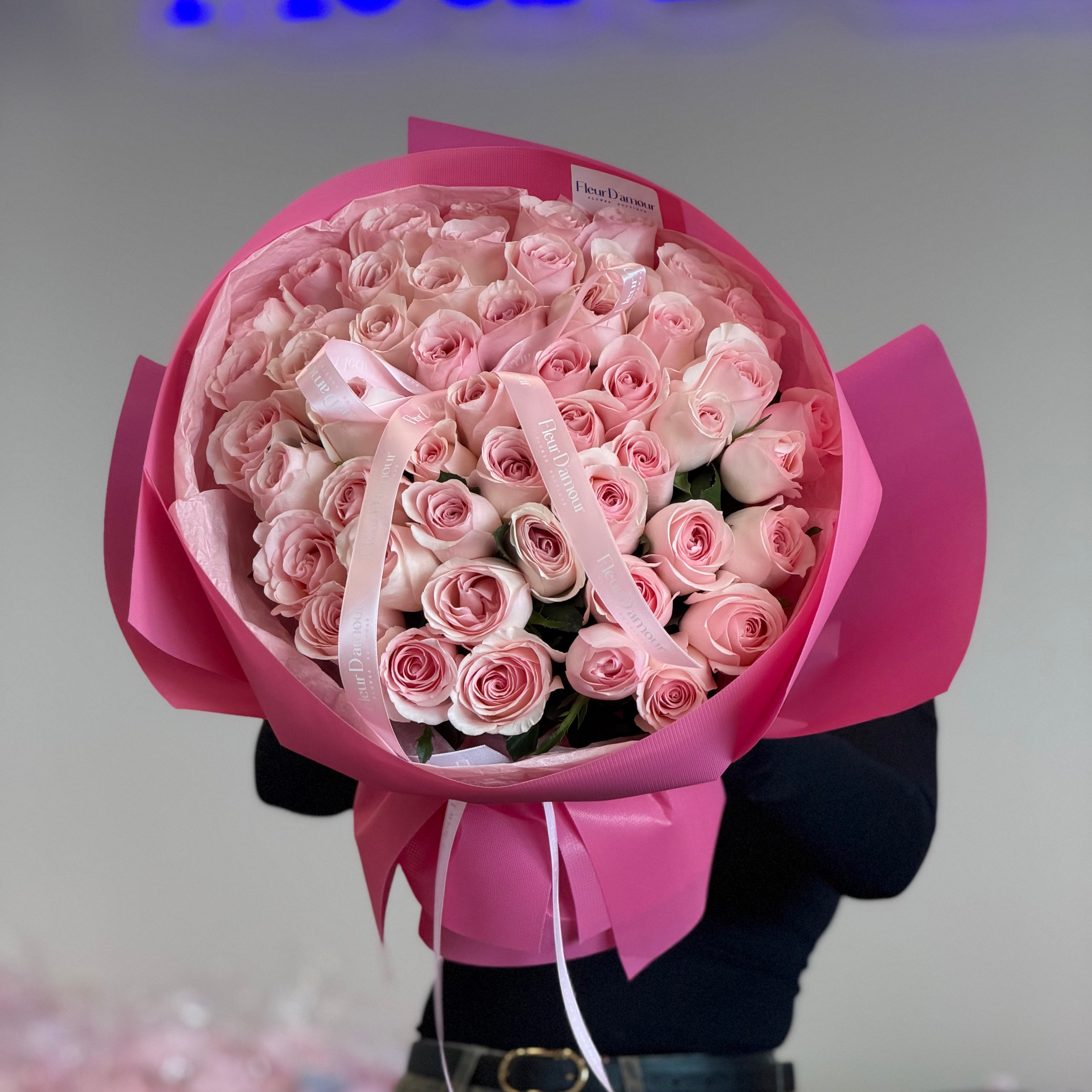
The get well soon flowers that actually lift mood are bright, warm-toned blooms like sunflowers, gerbera daisies, roses, and tulips — simple, cheerful shapes in yellow, orange, or coral that read as energizing rather than heavy or funereal. The best choices also avoid strong fragrance and loose pollen, which matters most for hospital deliveries.
Choosing flowers for someone who's unwell is different from choosing them for a celebration. The goal isn't just decoration — it's mood, comfort, and practicality. This guide breaks down which flowers genuinely help, which to avoid, and how to plan a delivery that fits the setting.
What Makes a Flower "Mood-Lifting"?
Mood-lifting flowers — are blooms with warm, saturated colors and open, simple shapes that psychological color research associates with energy and positivity, as opposed to cool, muted, or heavily structured arrangements.
Get well bouquet — is a floral gift specifically composed for recovery or illness, typically smaller and lower-fragrance than a celebratory bouquet, chosen to feel comforting rather than overwhelming.
Hospital-safe flowers — refers to blooms that meet common ward guidelines: low pollen, low scent, and a stable, easy-to-clean container.
Color psychology researchers have repeatedly found that warm hues like yellow and orange are associated with higher self-reported alertness and positive mood compared to darker or cooler tones, which is part of why sunflower and gerbera arrangements are a recurring recommendation from hospital gift shops and florists alike.

Best Flowers to Send Someone Who's Sick
Some flowers do more emotional work than others. The list below focuses on blooms that are cheerful, resilient, and generally safe for shared spaces.
- Sunflowers— bold, sunny, and instantly recognizable as an uplifting gesture.
- Gerbera daisies— playful and long-lasting, available in nearly every warm color.
- Roses— a reliable, universally understood gesture of care; browse the Roses Bouquets collection for warm-toned options.
- Tulips— clean and simple, with minimal scent, making them a safe hospital choice; see the Tulip Bouquets collection.
- Carnations— sturdy, long-lasting, and budget-friendly for larger get well arrangements.
- Peonies— soft and full, a good pick for a home-delivery gift rather than a hospital room; explore the Peonies Bouquets collection.
For a bright, playful option that leans into cheerful color without needing much explanation, a mixed arrangement like Candy Pop captures the same warm-tone effect described above.
Flowers to Avoid for a Sick or Hospitalized Recipient
Not every beautiful flower is the right choice for a recovery gift. A few common varieties can actually work against the goal.
- Lilies— strong fragrance can trigger headaches or nausea in a small room.
- Flowers with loose pollen— can irritate allergies or respiratory conditions.
- Very dark or somber colors— deep reds, purples, and black-toned flowers can read as funereal rather than comforting.
- Oversized arrangements— take up needed space on a bedside table or medical equipment tray.
A general rule from hospital gift-shop guidelines: if a ward allows fresh flowers at all, compact, low-scent arrangements under roughly a foot tall are the safest default.

Comparison Table: Get Well Flower Options
|
Flower Type |
Mood Effect |
Scent Level |
Best Setting |
|
Sunflowers |
High energy, cheerful |
Low |
Home or hospital |
|
Gerbera daisies |
Playful, bright |
Low |
Home or hospital |
|
Roses |
Warm, classic care |
Low–medium |
Any setting |
|
Tulips |
Clean, simple |
Very low |
Hospital-friendly |
|
Carnations |
Steady, long-lasting |
Low |
Home or hospital |
|
Lilies |
Elegant but heavy |
High |
Home only, avoid hospital |
Choosing Between a Bouquet, a Box, or a Plant
The format of the gift matters almost as much as the flower choice, especially when the recipient's space and mobility are limited.
- A classic bouquetworks well for home recovery and gives the most flexibility on color and size; the mixed bouquet collection offers a range of cheerful combinations.
- A single-flower (mono) bouquetkeeps things simple and easy to care for; see the Mono Bouquets collection.
- A boxed arrangementstays upright without needing a vase, which is often more practical in a hospital room — browse the Boxes collection for these low-maintenance options.
- A potted plantis a longer-lasting alternative when fresh-cut flowers aren't permitted at all.
If the recipient will be moving between hospital and home, it's often more practical to send a smaller box arrangement first and follow up with a fuller bouquet once they're back home. A friendly, comforting option like Hugs of Love works well for that second, homecoming gesture.
Making the Gift Feel Personal
A well-chosen flower still needs the right presentation to land emotionally.
- Add a short, warm noterather than a generic printed card — a small accessory or ribbon from the Accessories collection can add a personal finishing touch.
- Match the recipient's favorite color, even if it isn't the "classic" get-well palette.
- Keep it timed well— a mid-recovery delivery, rather than only on the first day, can lift mood exactly when energy tends to dip.
- Check delivery coverage first, since florists typically publish their service areasso you can confirm same-day or next-day delivery is available.
For more seasonal and occasion-specific bouquet guides, the Fleur D'amour blog is a useful next stop, and the full collection of premium bouquets is the fastest way to compare styles before deciding.
Frequently Asked Questions
What flowers are best to send someone who is sick?
Bright, low-scent blooms like sunflowers, gerbera daisies, roses, and tulips are the top picks because they lift mood without overwhelming a recovery space.
What flowers should you avoid sending to a hospital?
Skip heavily scented flowers like lilies and anything with loose pollen, since both can cause discomfort in a small or shared hospital room.
Is it okay to send flowers to someone in the hospital?
Usually yes, but it's worth checking the specific ward first, since ICU, oncology, and some maternity units often restrict fresh flowers.
What is a good alternative to flowers for someone in intensive care?
A potted plant, a small gift box, or a bouquet timed for delivery after discharge are practical alternatives when fresh flowers aren't allowed.
How do you make a get well bouquet feel more personal?
Add a handwritten note, pick the recipient's favorite color, and keep the size modest so the gift feels comforting rather than formal.
How long do get well flowers usually last?
Most fresh arrangements last five to seven days with clean water and a stem trim every couple of days, giving a full week of color during recovery
Share:
New Baby Flowers: Best Bouquets to Celebrate Baby Boy or Baby Girl
Corporate Gifting: Why Flowers Are the Perfect Client Thank-You