

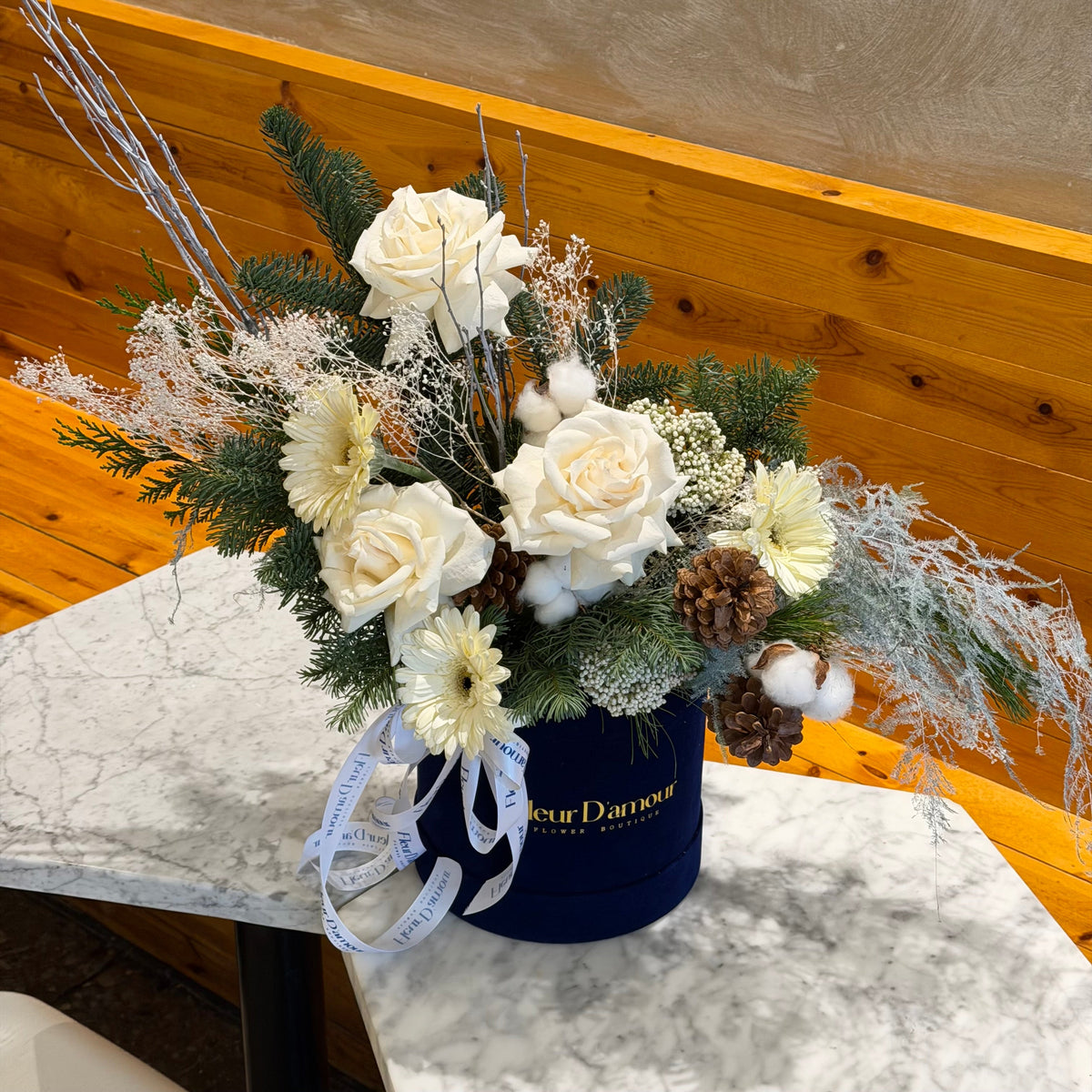
You should change the water in your vase every one to two days, and never leave it longer than two days. Fresh water keeps bacteria low, lets stems drink freely and helps cut flowers stay vibrant for a week or more. Every change should include a clean vase, a fresh stem trim and a dose of flower food.
What Does “Changing Vase Water” Mean?
Vase water maintenance is the routine of fully emptying, rinsing and refilling a flower vase with clean, lukewarm water. It is not the same as topping up. Topping up adds liquid but leaves bacteria, plant debris and used-up nutrients behind.
Vase life is the number of days a cut flower stays attractive after it has been arranged. Water quality, temperature, stem handling and the freshness of the blooms at purchase all influence it.
Flower food is a powder or liquid additive that combines sugar, an acidifier and a biocide. It feeds the blooms, lowers the water’s pH so stems absorb it more easily and slows microbial growth.
Why Fresh Water Matters for Cut Flowers
Bacteria Clog the Stems
Cut stems release sugars and sap into the vase, which makes an ideal food source for bacteria. As microbes multiply, they block the xylem, the tiny channels that carry water up the stem. Postharvest research programs, including the UC Davis Postharvest Technology Center, have long linked bacterial build-up in vase solutions to early wilting and shorter vase life.
Clean Water Keeps Blooms Hydrated
When the xylem is blocked, petals dry out, heads droop and leaves turn yellow. Fresh water and a freshly cut stem reopen the pathway and restore hydration.
Florist’s note from the Fleur D’amour team: cloudy water is the first warning sign. If you can see it, bacteria are already working against your bouquet, so don’t wait for day three.

How to Change Vase Water: Step by Step
- Remove the bouquet.Rest the flowers on a clean towel or in a bucket of cool water.
- Wash the vase.Scrub it with warm soapy water and rinse well to remove invisible slime.
- Add lukewarm water until the vase is about two-thirds full, then stir in flower food.
- Re-trim the stems.Cut about one inch off each stem at a 45-degree angle.
- Strip submerged leaves.Leaves under the waterline rot quickly and feed bacteria.
- Return the bouquet.Keep it away from direct sun, heaters and ripening fruit.
The whole routine takes about ten minutes and is the single most effective habit for extending vase life.
Water Change Schedule by Flower Type
Different flowers drink at different speeds. Use this table as a quick reference.
|
Flower |
Change Water |
Special Notes |
|
Roses |
Every 1–2 days |
Re-cut stems each time; remove thorns and leaves below the waterline |
|
Tulips |
Every 1–2 days |
Use cool water; stems keep growing and bend toward light |
|
Peonies |
Every 2 days |
Use cool water and keep away from heat so buds open gradually |
|
Hydrangeas |
Daily |
Very heavy drinkers; check the water level every day |
|
Mixed bouquets |
Every 2 days |
Follow the needs of the thirstiest flower |
Roses
Roses are thirsty and sensitive to bacteria, so they reward a strict schedule. A classic dozen of red roses or a softer one dozen pink roses will hold their shape longest with a fresh change and re-cut every day or two. Even bolder choices, like the one dozen blue roses, follow the same rule. You can browse the full range in our roses bouquets collection.
Tulips
Tulips keep growing after they are cut and drink a surprising amount. Refresh their water with cool, clean water every one to two days. Shop tulip bouquets for spring-fresh colors that stay upright with this routine.
Peonies and Hydrangeas
Peonies have dense, layered blooms that open slowly in cool water changed every two days. Hydrangeas are even thirstier. A bouquet like Blushing Clouds should be checked daily, because its large flower heads lose moisture fast.
Signs Your Vase Water Needs Changing Now
Don’t wait for the calendar if you notice any of these signals:
- Water looks cloudy or yellowish
- A sour or swampy smell rises from the vase
- Stem ends feel slimy
- Petals or leaves drop earlier than expected
- Flower heads droop even though the vase is full
Common Mistakes That Shorten Vase Life
The most frequent error is only topping up the water. The second is skipping the vase wash, which leaves a bacterial film that contaminates the fresh water straight away. Using hot water, leaving leaves below the waterline and placing the vase next to a fruit bowl, which releases ethylene gas, also reduce freshness.
Start With Fresh Flowers Near You
Water care works best when the flowers are fresh to begin with. Fleur D’amour prepares every bouquet in its boutiques in Buffalo Grove and Norridge, then delivers across Chicago’s north and northwest suburbs. If you are in Arlington Heights or Palatine, you can have a hand-selected bouquet arrive ready to place in water. Residents of Norridge and Park Ridge can order the same way, and include a care card note so the recipient knows the water schedule.
Frequently Asked Questions
How often should I change the water for roses in a vase?
Change rose water every one to two days and trim about one inch off the stems each time. Roses are heavy drinkers and react quickly to bacteria.
Is it okay to just top up the water instead of changing it?
Topping up is only a short-term fix between changes. Bacteria stay behind in the old water, so a full change is still needed every one to two days.
Should I use cold or warm water in a vase?
Use lukewarm water for most cut flowers because stems absorb it quickly. Tulips and peonies prefer cool water.
Do I need to add flower food every time I change the water?
Yes, add fresh flower food with each full water change. Without it, a clean vase and fresh water still matter more than any home remedy.
How can I tell if my vase water has gone bad?
Cloudy water, a sour smell and slimy stem ends are the clearest signs. If you notice any of them, change the water immediately.
Can I change the water less often if I use flower food?
Flower food slows bacterial growth but does not stop it. Even with flower food, refresh the water at least every two days.
Share:
How to Revive a Wilting Bouquet in 5 Minutes
DIY Flower Arranging: 5 Tips to Style Like a Florist at Home