

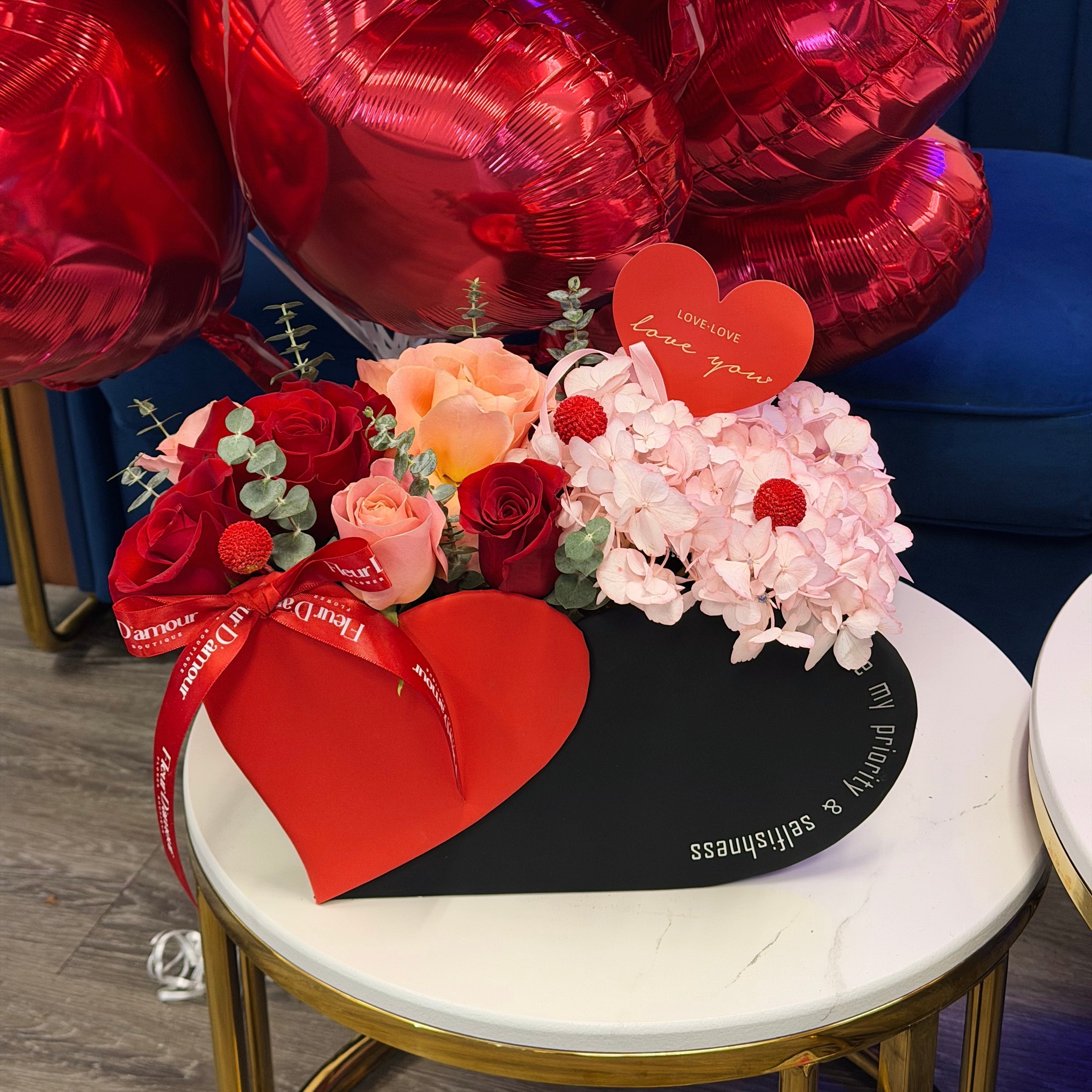
Flowers have a unique power to transform a space, elevate a mood, and convey emotions that words often fail to express. Whether you are looking to brighten your own home or surprise a loved one, the world of floral design offers something for every budget. Achieving a professional, high-end look does not always require an extravagant expense; it requires creativity, knowledge of seasonal availability, and an understanding of how to pair different varieties effectively.
In this guide, we explore how to create stunning arrangements that maximize your budget while maintaining elegance and beauty.
The Art of Choosing the Right Blooms
The foundation of any great arrangement lies in the choice of flowers. Some varieties are naturally more cost-effective due to their long growing seasons or local availability, while others are prized for their exclusivity.
Embracing the Classic Elegance
When aiming for a timeless, sophisticated look, Roses Bouquets remain the gold standard. They are versatile, available year-round, and come in a vast array of colors. To manage your budget when using premium roses, consider using them as a "focal flower" and surrounding them with more affordable foliage or filler flowers.

Seasonal Brilliance: Tulips and Peonies
If you are planning an arrangement based on the time of year, seasonal flowers are your best friend. In the spring, Tulip Bouquets offer a vibrant, graceful aesthetic that is often more wallet-friendly than imported varieties. Similarly, while Peonies Bouquets are considered a luxury item due to their short, intense season, they provide incredible volume and fragrance, meaning you need fewer stems to create a dramatic impact.
Design Strategies for Maximum Impact
Professional florists use specific techniques to ensure an arrangement looks full and well-structured, regardless of the price point.
Master the Mix vs. Mono Style
- Mix Bouquets: These are excellent for budget-conscious buyers because they allow you to combine expensive focal flowers with inexpensive textures and greens. A mix of shapes and sizes creates visual interest that distracts from the cost of individual stems.
- Mono Bouquets: These feature a single type of flower, such as all-white lilies or deep red roses. This style is inherently chic and minimalist. Because you are buying in bulk of one variety, you can often negotiate better pricing or simply find that a large cluster of one flower type looks more intentional and expensive than a messy assortment.
Innovative Presentation
Sometimes, the container is just as important as the flowers. Using Flower in Boxes and Basket is a brilliant way to elevate a smaller number of flowers. A box arrangement provides structure and a modern, "gift-ready" appearance that makes even a modest quantity of blooms look like a curated, high-end design.
Budget Comparison Table
To help you decide which approach fits your current needs, here is a breakdown of how different floral choices impact your budget and overall aesthetic.
|
Floral Option |
Best For |
Budget Impact |
Visual Impact |
|
Roses |
Romantic gestures |
Moderate to High |
Classic & Elegant |
|
Tulips |
Seasonal freshness |
Low to Moderate |
Vibrant & Playful |
|
Peonies |
Luxurious events |
High (Seasonal) |
Voluminous & Lush |
|
Mix Bouquets |
Daily home decor |
Low |
Textured & Interesting |
|
Mono Bouquets |
Minimalist aesthetic |
Moderate |
Clean & Sophisticated |
|
Boxes/Baskets |
Gifts & Events |
Moderate |
Modern & Polished |
Professional Tips for Longevity
Buying flowers is only half the battle; keeping them fresh is how you truly get your money's worth.
- Trim the Stems: Always cut stems at a 45-degree angle under running water. This prevents air bubbles from entering the stem and maximizes water absorption.
- Remove Lower Foliage: Any leaves that fall below the waterline should be removed. Bacteria thrive on decaying leaves, which will shorten the life of your arrangement significantly.
- Hydration: Use the provided flower food. It contains sugar for energy, acid to balance the pH, and bleach to prevent bacterial growth.
- Strategic Placement: Keep your arrangements away from direct sunlight, heating vents, and ripening fruit (which releases ethylene gas, causing flowers to age faster).

Creativity on a Budget: DIY Hacks
If you are working with a strict budget, consider these expert secrets:
- Go Green: Foliage is significantly cheaper than flowers. Using a large variety of eucalyptus, fern, or ruscus adds volume and a "botanical garden" feel to your arrangement at a fraction of the cost of additional blooms.
- Repurpose Containers: You don't need expensive vases. Vintage glass jars, painted ceramic bowls, or even repurposed wooden crates can become the perfect home for your floral creations.
- Focus on Height: By varying the height of the stems, you create depth. A few tall, architectural branches mixed with short, bushy flowers will look more professional than a flat, uniform bunch.
Frequently Asked Questions (FAQ)
Which flowers last the longest?
For the best value, look for chrysanthemums, carnations, and alstroemeria. These varieties are incredibly hardy and can last for two weeks or more with proper care.
How can I make a small bouquet look larger?
The secret is in the greenery. Adding "filler" greens like baby's breath, waxflower, or various types of foliage fills the gaps between focal flowers, making the arrangement look dense and full without needing more expensive blossoms.
Is it cheaper to buy mono bouquets or mix bouquets?
It depends on the season. If you are buying flowers that are currently in season, a mix bouquet is often cheaper because you can pick whatever is most abundant. However, mono bouquets can be cheaper if you are buying in large, wholesale quantities.
Why do flowers in boxes last longer?
Flower boxes often contain floral foam saturated with water and preservatives. This provides a constant, controlled hydration source for the flowers, which is often more efficient than an open vase, especially for shorter-stemmed varieties.
Can I mix expensive flowers with cheap ones?
Absolutely. This is a standard florist technique. Use the expensive, high-impact flowers (like peonies or lilies) as the "stars" of the show, and use cheaper "supporting actors" (like carnations or baby’s breath) to flesh out the design.
By understanding these principles, you can approach floral design with confidence. Whether you choose the timeless beauty of a rose arrangement or the modern appeal of a boxed floral gift, the key is to prioritize quality, care, and a clear vision. Enjoy the process of creating beauty that brightens your world.
Share:
Peonies Bouquets Color Combinations That Look Stunning Together
Common Mistakes That Shorten the Lifespan of Your Arrangements