

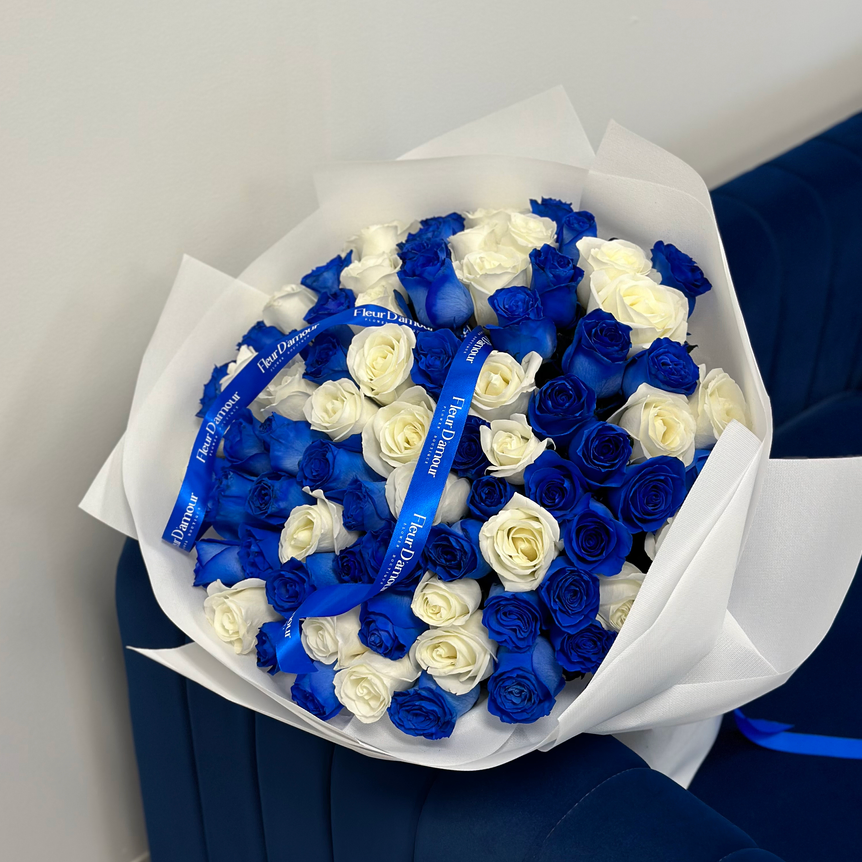
Receiving or purchasing fresh flowers is one of life's simple joys. Whether you are treating yourself to a stunning display of Roses Bouquets or brightening your home with vibrant Tulip Bouquets, you naturally want your arrangements to remain as fresh and beautiful as the day they arrived.
However, many people unintentionally accelerate the wilting process through improper care. By understanding the common pitfalls of floral maintenance, you can significantly extend the vase life of your blooms. This guide outlines how to treat your Peonies Bouquets, Mix Bouquets, and other floral treasures with the expertise they deserve.
-
The Hidden Dangers: Why Flowers Fade Prematurely
Flowers are living, breathing organisms that continue to evolve even after they are cut. Many of the mistakes that shorten their lifespan are rooted in a lack of understanding of what a cut flower needs to survive outside of its original root system.
Neglecting to Recut Stems
The most frequent mistake is failing to trim stems upon arrival. When a flower is cut, the plant begins to seal the wound to prevent infection. If you place stems directly into water without a fresh cut, the xylem (the plant's "drinking tubes") remains blocked, preventing the flower from absorbing water efficiently.
Using Dirty Vases
Bacteria are the sworn enemies of fresh flowers. If a vase has been sitting in a cupboard and wasn't sanitized, it likely contains microscopic bacteria that can multiply rapidly in water. These bacteria clog the stem ends, leading to premature wilting and unpleasant odors.

-
Environmental Factors: The "Silent Killers"
Where you place your arrangement is just as important as how you care for the flowers themselves. Whether you choose Mono Bouquets for their uniform elegance or sophisticated Flower in Boxes and Basket arrangements, the environment plays a decisive role.
The Problem with Direct Sunlight
While plants love the sun, cut flowers do not. Intense sunlight increases the transpiration rate of the petals, causing them to lose water faster than they can absorb it. This leads to drooping and browning petals. Always keep your arrangements in indirect, cool light.
Proximity to Ripening Fruit
This is a frequently overlooked factor. Many fruits, especially apples, bananas, and melons, release ethylene gas as they ripen. Ethylene is a natural plant hormone that accelerates the aging process in many flowers. Keep your floral arrangements away from the kitchen fruit bowl to ensure they last for the full duration of their natural lifespan.
Temperature Fluctuations
Avoid placing flowers directly under air conditioning vents, near heaters, or on top of electronic devices. Extreme temperature swings stress the flowers, forcing them to open too quickly or causing them to collapse from thermal shock.

-
Maintenance Essentials: A Quick Reference
To help you keep track of the best practices for your floral displays, we have compiled the following table of common mistakes and their ideal solutions.
|
Common Mistake |
Immediate Consequence |
How to Fix It |
|
Not removing lower leaves |
Bacteria buildup in water |
Remove foliage that sits below the waterline |
|
Using tap water immediately |
Chlorine shock/air bubbles |
Let water sit for an hour before adding flowers |
|
Ignoring the flower food |
Lack of nutrients |
Always use the provided packet to feed blooms |
|
Crowding the vase |
Poor air circulation |
Ensure stems have enough room to breathe |
|
Placement near heat |
Rapid dehydration |
Move to a cool, shaded area away from vents |
-
Specific Care Tips for Different Arrangements
Not all flowers have the same thirst or structural needs. Tailoring your approach based on the type of arrangement ensures longevity.
Caring for Roses and Peonies
Roses Bouquets and Peonies Bouquets are sensitive to water quality. Because these flowers have heavy heads, ensure the stems are cut at a sharp 45-degree angle. This increases the surface area for water absorption, helping the stems support the weight of the blooms.
Managing Mix Bouquets
When dealing with Mix Bouquets, you are managing different plant species that may have varying lifespans. Remove any individual stems that begin to die, as decaying plant matter releases ethylene, which will cause the remaining healthy flowers in the arrangement to wilt faster.
The Nuance of Flower in Boxes and Baskets
Flower in Boxes and Basket arrangements often utilize floral foam (Oasis) rather than a direct water source. The key here is consistency. Ensure the foam is kept moist at all times. If the foam dries out, it creates an air pocket that the stem cannot penetrate, effectively ending the life of the flower. Use a small syringe or funnel to add water to the center of the foam daily.
Frequently Asked Questions (FAQ)
How often should I change the water in my vase?
Ideally, every two days. Always wash the vase with soap and water between changes to prevent bacterial growth, and give the stems a fresh 1-centimeter trim every time you replace the water.
Why are my tulips drooping?
Tulips are "phototropic," meaning they continue to grow toward the light even after being cut. This often causes them to bend. If you notice your Tulip Bouquets drooping, re-cut the stems and wrap them tightly in paper for a few hours in a cool, dark place to encourage them to stand straight again.
Does adding sugar to the water actually help?
A little bit of sugar can provide energy, but it also promotes bacterial growth. It is much better to use the professional flower food provided by your florist, as it contains both sugar (for energy) and an antibacterial agent to keep the water clean.
Can I keep my flowers in the fridge?
Professional florists use floral coolers to maintain specific temperatures. While you shouldn't put them in your kitchen freezer, placing your arrangement in a cool room overnight—or even in a garage if it is cool and dark—can significantly extend their life.
What should I look for when buying flowers?
Always check the stems and the foliage. If the leaves look wilted or the stems are discolored, the flowers may already be stressed. For Mono Bouquets, look for blooms that are just starting to open; they will provide the longest enjoyment once you get them home.
By avoiding these common mistakes and adopting a more proactive approach to floral care, you ensure that every bouquet you receive serves as a long-lasting, beautiful reminder of the occasion. Remember, with just a little extra attention—clean water, proper cuts, and the right location—you can double the time you get to enjoy your flowers.
Share:
Flowers for Every Budget: Tips for Stunning Arrangements
Surviving the Heat: Keeping Flowers Fresh During Summer Months