

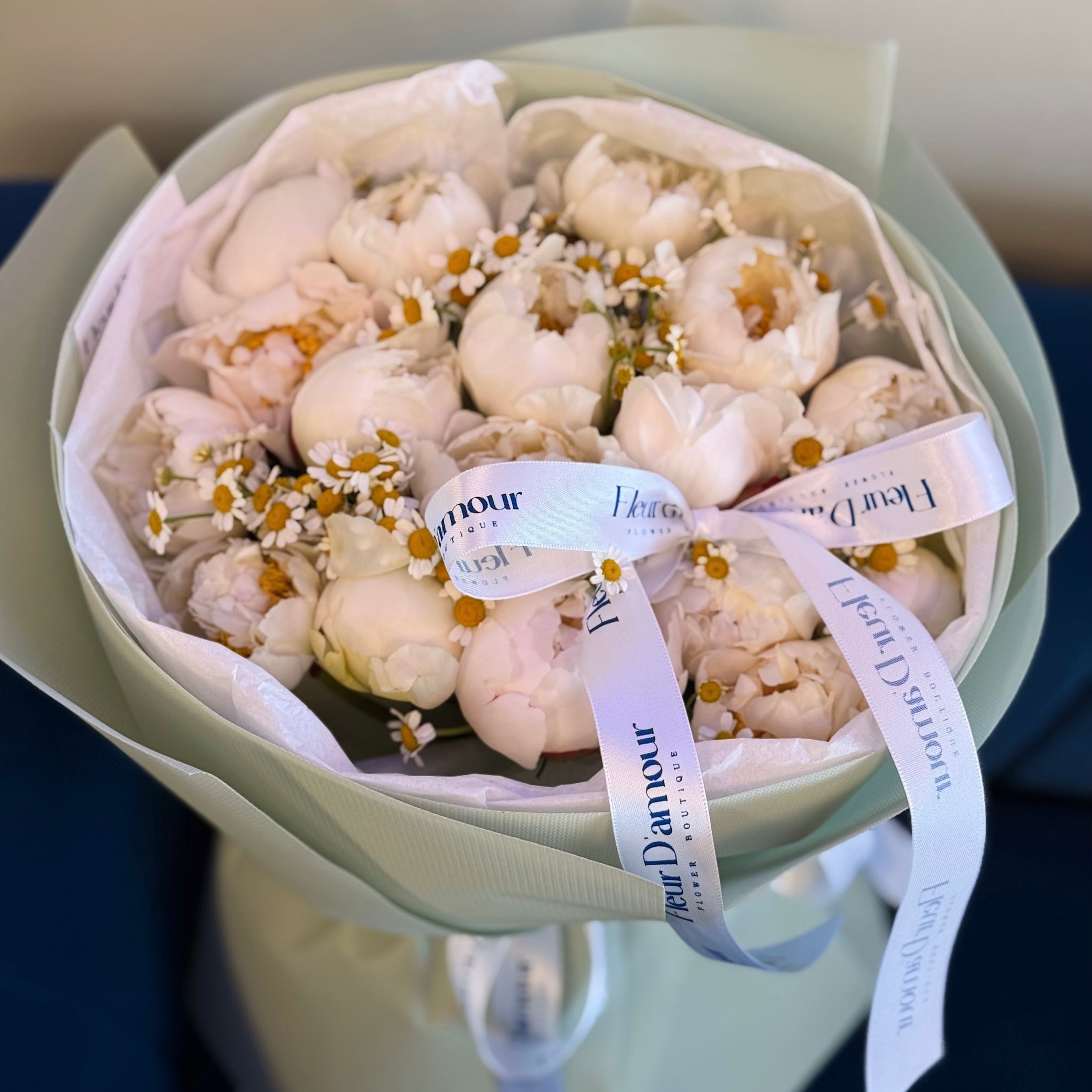
Summer is a season of vibrant colors, outdoor celebrations, and blooming gardens. However, for flower enthusiasts, it is also the most challenging time of year. As temperatures soar, the delicate beauty of a fresh floral arrangement can quickly wilt under the pressure of the heat. Whether you have just received a stunning centerpiece or are preparing your own home displays, understanding how to protect your blooms is essential for enjoying them for as long as possible.
In this comprehensive guide, we will explore the science of floral hydration, the best storage practices, and specific tips for different types of arrangements, ensuring your home remains a sanctuary of beauty despite the summer sun.
The Science of Summer Wilting
To keep flowers fresh, one must first understand why they wilt. Flowers are living organisms that continue to respire and transpire after being cut. Transpiration is the process where water evaporates from the leaves and petals. In hot weather, this process accelerates dramatically. If the rate of water loss exceeds the rate of water intake through the stems, the cells lose turgor pressure, leading to the dreaded "droop."
Furthermore, summer heat speeds up the production of ethylene, a natural plant hormone that triggers aging. By managing the environment and providing optimal hydration, you can effectively "slow down" time for your bouquet.

Choosing the Right Blooms for Hot Weather
Not all flowers are created equal when it comes to heat tolerance. Some varieties are naturally more resilient than others.
- Hardy Blooms: Tropical flowers (like orchids) and woody-stemmed flowers (like hydrangeas or certain chrysanthemums) often handle heat better than delicate spring flowers.
- Delicate Blooms: Flowers like tulips or sweet peas have thinner petals and high water content, making them extremely susceptible to heat stress.
If you are looking to send or display flowers during a heatwave, choosing the right category is your first line of defense:
- Roses Bouquets: Classic and relatively resilient if hydrated well.
- Tulip Bouquets: Beautiful, but best kept in the coolest room of the house.
- Peonies Bouquets: Lush and fragrant, but keep them away from direct sunlight.
- Mix Bouquets: Perfect for variety, but ensure the water is changed frequently.
- Mono Bouquets: Elegant, singular focus that highlights specific stem health.
- Flower in Boxes and Basket: Often come with floral foam, which acts as a built-in reservoir.
Pro-Tips for Maximum Longevity
- The Power of the Stem Cut
When you receive your flowers, the first thing you should do is re-cut the stems. Use a sharp, clean knife or shears to cut 1-2 centimeters off at a 45-degree angle. This increases the surface area for water absorption. If the stems are "sealed" by drying out, the flower cannot drink, no matter how much water is in the vase.
- Water Quality and Temperature
While it is tempting to use ice-cold water, room-temperature water is actually better for most flowers as it flows through the stems more easily. Ensure the water is clean. Bacteria are the number one enemy of floral health in the summer; they clog stems and prevent water uptake. Adding a packet of flower food is essential, as it provides nutrients and antibacterial agents.
- Location, Location, Location
Avoid placing your floral arrangements in these "danger zones":
- Direct Sunlight: Even if it looks beautiful in the window, the sun will cook the petals.
- Near Fruit Bowls: Ripening fruit releases ethylene gas, which causes flowers to drop petals prematurely.
- Air Conditioning Vents: Constant cold drafts can dehydrate petals just as quickly as heat.

Comparison of Floral Care Needs
|
Flower Category |
Heat Sensitivity |
Water Change Frequency |
Best Placement |
|
Roses |
Medium |
Every 2 days |
Indirect bright light |
|
Tulips |
High |
Every day |
Cool, shaded area |
|
Peonies |
Medium-High |
Every 2 days |
Away from drafts |
|
Mix/Mono |
Varies |
Every 2 days |
Cool, stable temperature |
|
Box/Basket |
Low-Medium |
Every 2 days (if foam) |
Away from direct sun |
Advanced Hydration Techniques
If your flowers start to look a little tired after a particularly hot afternoon, don't give up immediately. You can often "shock" them back to life.
The Rehydration Bath
For flowers that look wilted, submerge the entire stem and foliage in a sink or bathtub filled with cool (not freezing) water for 30 to 60 minutes. Keep the petals above the water line. This allows the foliage to absorb water directly, which can help restore the turgor pressure in the stems.
Managing Floral Foam
For Flower in Boxes and Basket, the flowers are arranged in floral foam. While convenient, this foam can dry out quickly in the summer. Use a small pipette or a gentle spray bottle to add water to the foam daily. Ensure the foam is fully saturated—if it dries out completely, it becomes very difficult to re-hydrate.
Handling Specific Varieties
Why Roses Need Extra Care
Roses Bouquets are the gold standard of gifting, but they are thirsty. In the summer, be sure to remove any foliage that sits below the waterline to prevent bacterial rot. If you notice the outer "guard petals" drooping, do not worry—this is normal. You can gently peel them back to reveal the fresh, healthy bloom underneath.
The Delicate Nature of Tulips
Tulip Bouquets are phototropic, meaning they continue to grow toward the light even after being cut. In hot weather, this growth accelerates, causing them to bend and flop. To prevent this, wrap them tightly in paper for a few hours to force them to stand straight while they hydrate.
FAQ: Frequently Asked Questions
Q: Should I put ice in my flower vase?
A: It is generally not recommended. Extreme temperature shocks can damage delicate stem tissues. Cool, room-temperature water is safer and more effective for long-term hydration.
Q: How often should I change the water in summer?
A: In the summer, bacteria multiply rapidly in water due to the heat. We recommend changing the water and rinsing the stems every 24 to 48 hours to ensure your Mix Bouquets last as long as possible.
Q: Does sugar help flowers live longer?
A: Yes, sugar acts as food for the plant, but you must combine it with an acidic agent (like a drop of lemon juice) and an antibacterial agent (like a tiny drop of bleach) if you don't have commercial flower food. Commercial packets are always the safest bet.
Q: Why are my Peonies drooping?
A: Peonies Bouquets have heavy heads. If they droop, it may be a lack of water reaching the head, or the stems may be too long. Try cutting the stems shorter to reduce the distance the water has to travel.
Q: Can I keep flowers in the fridge?
A: Yes! Professional florists keep their stock in commercial coolers. You can place your flowers in a home refrigerator overnight, provided it is not too cold (above 2°C) and you remove any nearby fruit.
Final Thoughts
Summer doesn't have to mean the end of your floral displays. By being mindful of water hygiene, choosing the right locations, and keeping a close watch on your arrangements, you can continue to enjoy the elegance of Mono Bouquets or the festive spirit of summer arrangements all season long. Remember, flowers are ephemeral by nature—part of their beauty is that they don't last forever—but with these tips, you can certainly extend their performance and enjoy the beauty they bring to your home.
Share:
Common Mistakes That Shorten the Lifespan of Your Arrangements
Beat the Heat: How to Keep Your Summer Bouquets Fresh Longer